Lost in the End of the World: My Secret Viewpoints in Ushuaia
Nestled at the southernmost tip of South America, Ushuaia isn’t just “the end of the world”—it’s a raw, untamed paradise hiding breathtaking viewpoints most travelers never see. I ventured beyond the postcard spots and found silent lookouts where mountains plunge into icy waters and the wind carries stories of Patagonia’s wild soul. This is not just sightseeing—it’s soul-stirring. Far from the bustling cruise docks and crowded tour buses, there are places where time slows, where the only sound is the whisper of wind over stone, and the horizon blends sea with sky in an endless sweep of silence. These are not listed in guidebooks, nor marked with signposts. They are earned through quiet curiosity and a willingness to step off the beaten path. In this journey, I invite you to discover the Ushuaia few witness—the one that stays with you long after you’ve returned home.
The Myth and the Reality of Ushuaia
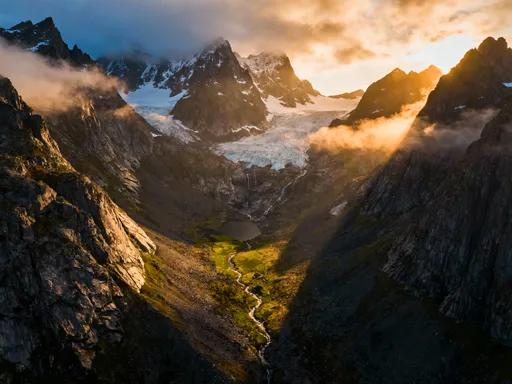
Ushuaia is often romanticized as the edge of civilization, a final outpost before Antarctica. Its nickname, “the end of the world,” conjures images of isolation and rugged frontier life. While the city does rest at 54 degrees south latitude—closer to the South Pole than any other city on Earth—its true identity is more nuanced than mere geography. The reality is not just one of remoteness, but of convergence: where the Andes meet the Southern Ocean, where dense sub-Antarctic forests cling to steep slopes, and where the Beagle Channel carves a silver path through glacial valleys. This meeting of elements creates a landscape of dramatic contrasts—snowcapped peaks mirrored in still waters, evergreen forests shrouded in mist, and skies that shift from calm blue to storm-laden gray within minutes.
Yet for all its natural grandeur, Ushuaia is increasingly shaped by tourism. Cruise ships arrive daily in summer, discharging thousands onto the waterfront. The main avenue, Avenida San Martín, buzzes with souvenir shops, cafes, and tour operators offering standard itineraries to Tierra del Fuego National Park or the End of the World Train. These experiences are not without merit, but they often skim the surface, leaving visitors with postcard memories rather than deep connection. The myth of Ushuaia as a wild frontier risks becoming a performance—a curated version of wilderness designed for mass consumption.
What sets Ushuaia apart, however, is not its title, but its authenticity. Beyond the tourist zones, the land remains untamed. There are no fences stretching for miles, no artificial lighting to drown the stars, no crowds to buffer you from the elements. Here, nature operates on its own terms. The wind is constant. The weather is unpredictable. The terrain is unforgiving. And that is precisely where its power lies. To truly know Ushuaia is to accept its conditions, to walk softly, and to seek out the places where the land still speaks for itself.
Why Viewpoints Matter in Patagonia
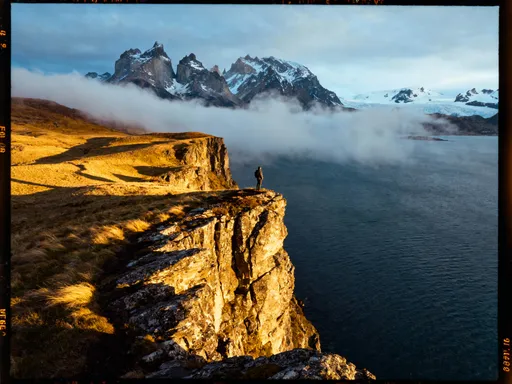
In Patagonia, a viewpoint is more than a scenic overlook—it is a moment of reckoning. When you stand at the edge of a cliff and gaze across a fjord flanked by jagged peaks, something shifts. The scale of the landscape dwarfs the noise of daily life. Worries that once felt urgent begin to recede. This is not poetic exaggeration; it is a documented psychological response. Studies in environmental psychology have shown that exposure to vast, natural landscapes can reduce cortisol levels, improve mood, and enhance cognitive clarity. The effect is often described as awe—a sense of being part of something larger than oneself.
Yet many travelers rush through these moments. They arrive at a lookout, take a photo, and move on. The average停留 time at major viewpoints in Patagonia is less than seven minutes, according to observational data collected by regional park authorities. This pattern reflects a broader trend in modern travel: the checklist mentality, where the goal is to see as much as possible in as little time as possible. But in doing so, we risk missing the essence of the place. A mountain does not reveal itself in a snapshot. It reveals itself in the slow unfolding of light across its face, in the sound of wind moving through the valleys, in the way the mist rises from the lake at dawn.
Intentional viewing—pausing, breathing, absorbing—transforms the experience. It allows the mind to settle and the senses to awaken. Travelers who spend extended time at viewpoints report stronger emotional connections to the landscape, more vivid memories, and a deeper sense of renewal. One hiker interviewed near Lake Fagnano described it as “a reset button for the soul.” This is the quiet power of Patagonia’s vistas: they do not merely impress; they recalibrate. In a world of constant stimulation, these moments of stillness become rare and precious.
My First Hidden Lookout: Mirador del Lago Escondido (Off the Tourist Map)
My journey to one of Ushuaia’s best-kept secrets began not with a map, but with a conversation. Sitting at a small café on Calle Maipú, I overheard a local man mention a trail behind the neighborhood that led to a lake few tourists visit. He spoke of it casually, as if it were just part of his routine. Intrigued, I asked for details. He smiled and pointed vaguely south. “Follow the dirt road past the old garage. When the trees close in, keep going.” That was all—no GPS, no formal trailhead, just a gesture and a suggestion.
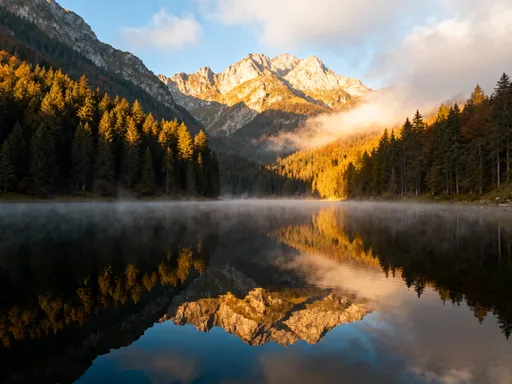
The next morning, I set out on foot. The city faded behind me, replaced by quiet residential streets, then open fields dotted with grazing sheep. The dirt path was faint but passable, winding through thickets of calafate bushes and patches of moss-covered rock. After about 45 minutes, the forest opened abruptly, and there it was: Lago Escondido, a narrow ribbon of water so still it looked like glass. On the far side, the peaks of the Martial Range rose sharply, their snow-dusted flanks reflected perfectly in the lake’s surface. A condor circled high above, silent and deliberate, its wings catching the morning light.
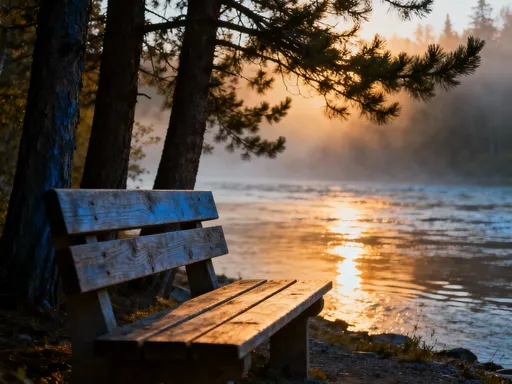
I sat on a flat rock at the edge of the ridge and did nothing. No photos, no notes, no rush. I simply watched. The stillness was profound. The only sound was the occasional rustle of leaves and the distant call of a chucao tapaculo, a small bird native to the region. Time seemed to stretch. It was one of those rare moments when the world feels both immense and intimate at once. Later, I learned that this spot has no official name, no signage, and no facilities. It is known only to a few locals and the occasional adventurous hiker. I chose not to share its exact location, not out of secrecy, but out of respect. Some places are fragile not because of their terrain, but because of their peace. To protect that, sometimes silence is the most responsible act.
The Coastal Secret: Playa Larga’s Silent Cliffs
While most visitors gather along the main waterfront to see the iconic “End of the World” sign or board boats to Isla de los Lobos, another shoreline awaits those willing to walk a little farther. Playa Larga, located about three kilometers west of downtown, is a stretch of wild coast where the Beagle Channel meets steep shale cliffs. Unlike the manicured promenade, this area has no benches, no railings, no crowds. It is raw and elemental. The path begins near a small marina and follows a gravel trail that gradually climbs above the tide line. With each step, the city fades, replaced by the scent of damp kelp and the rhythmic crash of waves.
The cliffs at Playa Larga are not towering, but they are dramatic in their simplicity. Layered rock formations, shaped by centuries of wind and water, reveal bands of gray, brown, and rust-colored sediment. At low tide, tide pools emerge, filled with anemones, sea stars, and tiny crabs. Seabirds—kelp gulls, Magellanic penguins, and occasional albatross—wheel overhead. In the distance, sea lions bark from rocky outcrops, their calls echoing across the water. On a clear day, the mountains of Navarino Island rise across the channel, their snow-covered ridges glowing in the southern light.
What makes Playa Larga special is not just its beauty, but its accessibility. A twenty-minute walk from the edge of town delivers you to a place that feels remote and untouched. Yet with that access comes responsibility. The shoreline is vulnerable to erosion, and the wildlife sensitive to disturbance. Travelers should stay on established paths, avoid approaching animals, and carry out all trash. Weather can change rapidly—what begins as a calm morning can turn into a blustery afternoon. A windproof jacket, sturdy shoes, and a basic understanding of tides are essential. But for those prepared, the reward is solitude in a landscape that feels timeless.
Elevated Magic: The Untold Path to Cerro Alarkén’s Midway Ridge
Cerro Alarkén is one of Ushuaia’s most popular hiking destinations, drawing hundreds each year who aim for the summit with its panoramic views of the city and surrounding peaks. Yet most who make the climb focus only on the destination, missing a quieter revelation halfway up. About two-thirds of the way to the top, a natural ledge—unmarked and often overlooked—opens to a sweeping vista of Ushuaia Bay and the Martial Glacier. From this vantage point, the city appears nestled in the valley like a model village, its red roofs contrasting with the deep green of the forests. The glacier, a tongue of ice clinging to the mountainside, glistens under the sun, slowly retreating with each passing year.
The trail to Cerro Alarkén begins near the end of Avenida Alarkén, just beyond the last residential blocks. The first section is steep, cutting through patches of lenga and ñire forests. As you ascend, the trees thin, giving way to alpine meadows dotted with wildflowers in summer—yellow notro, purple chuquiraga, and delicate mosses that cushion each step. The air grows cooler, thinner. Many hikers pause here, not for the view, but to catch their breath. And in that pause, if they look up, they are rewarded.
This midway ridge is not just visually stunning; it is ecologically revealing. The shift in vegetation marks a change in microclimate. Birdlife becomes more varied—black-chinned siskins flit between branches, while Andean condors soar on thermal updrafts. On clear days, the light plays dramatically across the landscape, casting long shadows and highlighting textures invisible from below. The lesson here is simple: sometimes the most profound experiences come not from reaching the top, but from slowing down along the way. The summit has its glory, but the journey holds its own magic. For those who take the time, the midway ridge offers a rare balance—elevation without exhaustion, perspective without spectacle.
When to Go and How to Stay Grounded
Timing is everything in Ushuaia. The region experiences four distinct seasons, each offering a different face of the landscape. The most popular time to visit is summer, from December to March, when daylight lasts up to 17 hours and temperatures average between 9°C and 14°C (48°F to 57°F). These months are ideal for hiking, kayaking, and wildlife viewing. The trails are mostly dry, wildflowers bloom, and the chance of clear skies is highest. However, this is also peak tourist season. Popular sites can be crowded, and accommodations book up months in advance.
For those seeking solitude, the shoulder seasons—October to November and April to May—offer a compelling alternative. Spring brings the return of migratory birds and the first hints of green after winter. Autumn paints the lenga forests in brilliant shades of red and gold, creating a visual spectacle unmatched at any other time of year. However, these seasons require greater preparation. Weather is more unpredictable. Snow can fall even in October or May. Trails may be muddy or partially snow-covered. Travelers should pack accordingly: moisture-wicking base layers, insulating mid-layers, a high-quality waterproof outer shell, gloves, and a warm hat. Sturdy, ankle-supporting hiking boots are non-negotiable.
Equally important is mindset. Ushuaia is not a destination for passive observation. It demands engagement. This means respecting marked trails, staying on designated paths to prevent erosion, and avoiding any interaction with wildlife. Feeding animals, straying off trails, or leaving waste behind may seem minor, but in a fragile ecosystem, small actions accumulate. Sustainable tourism is not a slogan here—it is a necessity. Additionally, while GPS devices and apps are helpful, they should not replace awareness. Battery life is limited in cold weather. Signal can be spotty. A physical map and basic navigation skills are wise backups. Finally, travelers should listen to locals. Their knowledge of weather patterns, trail conditions, and safe routes is invaluable. A simple conversation at a café or shop can prevent a dangerous misstep.
Beyond the View: Carrying the Silence Forward
The true gift of Ushuaia is not measured in photographs or souvenirs, but in the internal shifts that occur in moments of quiet awe. Long after the trip ends, I find myself recalling the stillness of Lago Escondido, the wind at Playa Larga, the light on Cerro Alarkén’s ridge. These memories are not just visual; they are sensory, emotional, almost meditative. They surface during busy days, offering a mental refuge—a reminder that stillness exists, even if only in memory.
This is the deeper purpose of travel: not to collect destinations, but to gather perspective. In the vastness of Patagonia, personal problems shrink not because they disappear, but because they are placed in a larger context. The mountains were here long before us and will remain long after. The tides continue their rhythm regardless of our schedules. There is comfort in that constancy. It does not solve problems, but it changes how we carry them.
Returning home, I notice a subtle difference in how I move through the world. I am more present. I pause more often. I listen more closely. The habit of deep looking, cultivated in Ushuaia’s quiet corners, has become a daily practice. It shows up in the way I watch sunlight move across the kitchen floor, or the way I stop to observe birds in the backyard. The wildness I sought is not just out there; it is a state of attention, a way of being.
Ushuaia teaches that the most profound journeys are not always the longest, but the most intentional. They require not just travel, but presence. They ask us to go far, look closely, and leave gently. In a world that often values speed and spectacle, these quiet moments of connection are revolutionary. They remind us that beauty does not always announce itself. Sometimes, it waits in silence, just beyond the path, for those willing to seek it—not with a crowd, but with an open heart.