Taste the Wild: How Iceland’s Nature Fuels Reykjavik’s Best Flavors
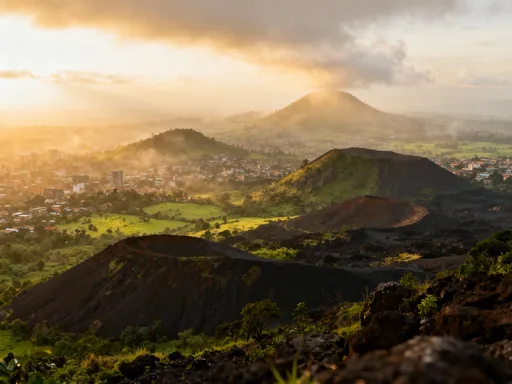
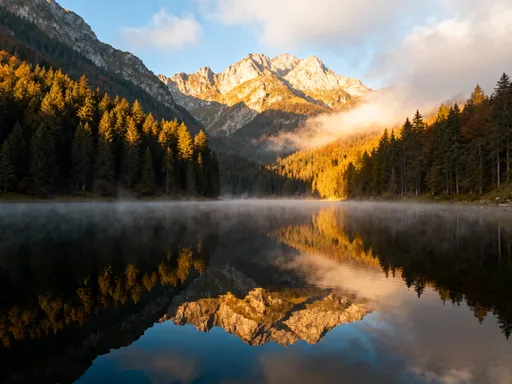
Ever tasted food that feels like a glacier breeze and a volcanic sunrise at the same time? In Reykjavik, every bite tells a story of fire, ice, and untouched landscapes. I never expected my taste buds to be as blown away as my camera roll—smoked lamb from highland farms, creamy skyr with wild berries, fresh seafood pulled straight from Arctic waters. This is more than dining—it’s a direct line to Iceland’s soul. Here, the kitchen doesn’t imitate nature; it listens to it. The country’s isolation, extreme climate, and geothermal energy shape not only the land but also what grows, grazes, and swims within it. What ends up on the plate is not curated for trend, but born of necessity, tradition, and deep respect for the environment. For travelers seeking authenticity, Reykjavik’s cuisine offers a rare truth: flavor that cannot be faked, only felt.
The Heartbeat of Reykjavik’s Cuisine: Nature as the True Chef
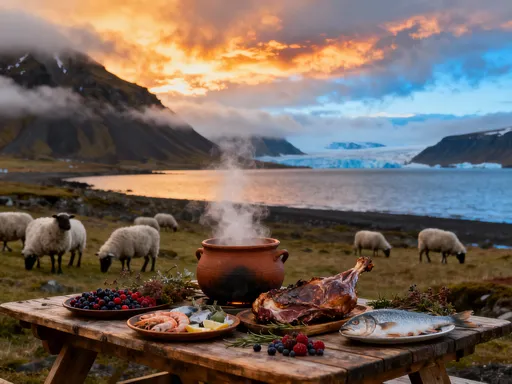
Iceland’s culinary identity is inseparable from its geography. With no large-scale agriculture and limited arable land, the island has long relied on what the earth and sea provide. The concept of *terroir*, often reserved for wine, applies powerfully to Reykjavik’s food culture. Volcanic soil enriches pastures with minerals, glacial meltwater flows pure and cold into rivers and farms, and the crisp Atlantic air preserves and seasons food in ways modern refrigeration cannot replicate. These elements don’t just influence taste—they define it. Take lamb, for example. Icelandic sheep spend their summers grazing freely on open highlands, feeding on wild thyme, moss, and grasses untouched by pesticides or artificial feed. This natural diet, combined with the clean air and pure water, results in meat that is tender, richly flavored, and subtly sweet—qualities that chefs across the city highlight with minimal intervention.
Similarly, dairy production benefits from the same pristine conditions. Cows drink from glacial-fed streams and graze on nutrient-dense grasses during the short but intense growing season. The result is milk of exceptional quality, used to make skyr—a thick, protein-rich cultured dairy product that has been a staple for over a thousand years. Modern skyr is now found worldwide, but the traditional version, made in small batches with natural cultures, carries a depth of flavor that reflects its origins. In Reykjavik, many cafés serve skyr with wild berries picked fresh in summer, creating a simple yet profound expression of place.
Seafood, too, is shaped by Iceland’s unique waters. The meeting of cold Arctic currents and warmer Atlantic flows creates a nutrient-rich marine environment, supporting some of the cleanest and most sustainable fisheries in the world. Cod, langoustines, and Arctic char thrive in these conditions, their flesh firm and flavorful. Because of the country’s isolation, there is little room for imported food, making local sourcing not a trend but a necessity. This reality has led to a food culture rooted in seasonality and respect—chefs adjust their menus not by fashion, but by what the land and sea offer each month. In winter, preserved and fermented foods take center stage; in summer, the bounty of fresh berries, herbs, and lamb dominates. This rhythm ensures that every meal in Reykjavik is a reflection of the island’s natural pulse.
From Fjord to Fork: The Seafood That Defines a City
Reykjavik’s identity is inseparable from the sea. Nestled on the southwest coast, the city has long drawn life from the North Atlantic. Fishing is not just an industry—it’s a cultural cornerstone. Today, the old harbor remains a hub of activity, where fishing boats unload their catch at dawn and visitors can witness the rhythm of maritime life firsthand. The Icelandic Maritime Museum, located nearby, offers insight into the nation’s seafaring heritage, but the real story unfolds at the fish markets and restaurants that transform the ocean’s yield into culinary art.
Arctic char, a close relative of salmon, is prized for its delicate pink flesh and buttery texture. Farmed in glacial rivers with minimal environmental impact, it is often pan-seared and served with dill sauce or pickled vegetables. Langoustines, known locally as *humar*, are another delicacy. Caught off the south coast, these sweet, lobster-like crustaceans are typically boiled and served whole with melted butter—a simple preparation that lets their natural flavor shine. Cod, Iceland’s most iconic fish, is prepared in countless ways: dried for *harðfiskur* (a traditional snack), boiled with potatoes, or baked with herbs and lemon. Thanks to strict quotas and responsible management, Iceland’s fisheries are among the most sustainable globally, ensuring that future generations will continue to enjoy these treasures.
At restaurants like Fiskmarkaðurinn (The Fish Market), the journey from sea to plate is celebrated with creativity and precision. The menu changes daily based on the catch, and dishes are designed to highlight purity and texture. A typical meal might include scallops seared in brown butter, served on a bed of roasted celeriac with a touch of smoked bone marrow, or a tartare of raw langoustine with citrus gel and sea herbs. Even casual eateries take seafood seriously. At Sægreifinn, a small fish shack by the harbor, visitors line up for the *Pylsur*—a hot dog with lamb sausage—but the real star is the fresh fish soup, made daily with whatever was caught that morning. The broth is rich, creamy, and fragrant with thyme, a humble dish that captures the essence of Icelandic comfort.
Fire, Smoke, and Ferment: Traditional Flavors in a Modern Kitchen
Iceland’s harsh climate historically demanded preservation. Without refrigeration, early settlers relied on smoking, drying, and fermenting to store food through long winters. While modern technology has changed daily life, these ancient methods remain alive—not as relics, but as sources of deep, complex flavor. Fermented shark, or *hákarl*, often draws curiosity from tourists, but it represents only a small part of Iceland’s preservation culture. More widely enjoyed are techniques like smoking lamb over dried sheep dung, a practice that imparts a subtle, earthy aroma, or air-drying fish in coastal winds to create *harðfiskur*, a crunchy, protein-rich snack still eaten with butter today.
In Reykjavik’s contemporary kitchens, chefs are reimagining these traditions with refinement and care. At Dill, Iceland’s first Michelin-starred restaurant, fermentation is used not for shock value, but for depth. Their menu features dishes like skyr aged with wild molds, or lamb cured in hay and served with fermented turnips. These preparations are not gimmicks—they are thoughtful evolutions of age-old wisdom. The restaurant’s open kitchen allows diners to see the process: jars of fermenting vegetables, trays of drying fish, and shelves of smoked meats. This transparency invites guests to appreciate the time and patience behind each bite.
Another example is Matur og Drykkur, where traditional recipes are elevated without losing their soul. Their take on *hangikjöt*, smoked lamb, is slow-cooked and served with rutabaga purée and pickled red cabbage, creating a dish that is both comforting and sophisticated. Even dessert pays homage to preservation: skyr ice cream with crowberry compote, where the tartness of the preserved berries cuts through the creaminess. These modern interpretations do not erase the past—they honor it, showing that tradition and innovation can coexist. For visitors, trying these dishes is not just about taste, but about understanding a culture that has learned to thrive by working with nature, not against it.
Foraging the Wild: Berries, Herbs, and the Taste of Tundra
Summer in Iceland is brief but magical. For about ten weeks, the sun barely sets, and the tundra bursts into life. This is the season of foraging—a cherished tradition passed down through generations. Families head to the countryside to pick crowberries, blueberries, and bilberries, filling baskets to be eaten fresh, frozen, or turned into jams and syrups. Angelica, a tall green herb with a celery-like flavor, is another prized find, used in soups, stews, and even desserts. These wild ingredients do more than supplement the diet—they connect people to the land in a tangible way.
In Reykjavik’s restaurants, foraged elements appear with increasing frequency. At Sumac, a Nordic bistro in the city center, the summer menu features a salad of wild greens dressed with crowberry vinaigrette and topped with toasted hazelnuts. At Bergsson Mathús, a cozy eatery near Hallgrímskirkja, the chef serves a warm blueberry and rhubarb crumble made with berries picked just outside the city. These dishes are not just seasonal—they are geographic, capturing the taste of a specific place and time. Even craft breweries incorporate wild ingredients; some ales are brewed with dried moss or birch sap, creating flavors that cannot be replicated elsewhere.
A visit to a countryside farm offers a deeper understanding of this practice. At Hjáleiga Húsið, a family-run guesthouse an hour from Reykjavik, guests are invited to join the owners on a berry-picking walk after breakfast. Later, those same berries appear in a lunchtime soup or a dessert of skyr pancakes. This farm-to-table experience is not staged for tourists—it is simply how life is lived. Children learn to identify edible plants, elders share stories of past harvests, and meals become celebrations of abundance. For the modern traveler, this intimacy with food is a revelation. It reminds us that flavor begins long before the kitchen, in the quiet moments of gathering and gratitude.
Farm to Table, Icelandic Style: Where Sheep Outnumber People
Iceland’s countryside is dotted with sheep—over 800,000 of them, compared to just 370,000 people. This striking ratio speaks to the central role of sheep in Icelandic life. For centuries, they have provided meat, wool, and milk, and their grazing patterns have shaped the landscape itself. In summer, flocks roam freely in the highlands, feeding on wild herbs and grasses. In autumn, a centuries-old tradition known as *réttir* brings communities together to round up the sheep, a festive event that strengthens social bonds and marks the transition into winter.
Just outside Reykjavik, small family farms continue these traditions with pride. At Efstidalur II, a working farm turned guesthouse and restaurant, visitors can meet the sheep, sample fresh milk, and dine on lamb raised just steps away. The restaurant’s signature dish—slow-roasted lamb shoulder with roasted root vegetables and a juniper jus—showcases the quality of the meat. Because the animals live stress-free lives and feed on natural vegetation, the flavor is clean and rich, without the gaminess sometimes associated with lamb. Even the dairy is exceptional: Efstidalur makes its own skyr and ice cream, both creamy and subtly tangy, reflecting the purity of the milk.
These farms are not just food producers—they are educators. Many offer tours that explain sustainable practices, from rotational grazing to geothermal heating for barns. Some use solar panels and composting toilets, minimizing their environmental footprint. For families traveling with children, these visits are both fun and meaningful, offering lessons in ecology, animal care, and food origins. In a world where most people are disconnected from how their food is made, Iceland’s farm-to-table model feels revolutionary in its simplicity. It proves that good food begins with good stewardship, and that the best flavors come from systems in balance with nature.
Reykjavik’s Food Scene: Cozy Cafés, Hidden Gems, and Volcanic Views
Reykjavik’s culinary landscape is intimate, not grand. There are no towering fine-dining temples or flashy celebrity chefs. Instead, the city thrives on warmth, craftsmanship, and a quiet confidence in its ingredients. Bakeries like Brauð & Co. serve rye bread baked in geothermal ovens underground, a method that gives it a dense, malty flavor and a dark, almost chocolatey crust. Locals line up for the *snúður*, a traditional Icelandic swirl bun available in flavors like cinnamon, cardamom, and crowberry. These simple pleasures are deeply woven into daily life.
Wine bars and small-plate restaurants have also emerged, offering a more curated experience. Kaffi Vinyl, a retro-inspired café, pairs local cheeses and cured meats with natural wines and vinyl records from the 70s and 80s. The atmosphere is relaxed, the service friendly, and the food thoughtful. At Módel, a sleek wine bar in the city center, guests can enjoy Nordic charcuterie boards with fermented vegetables, house-made bread, and Icelandic butter so rich it tastes like cream. These spaces are not about spectacle—they are about connection, inviting guests to slow down and savor.
For those seeking views with their meal, restaurants like Strikið, perched on a hillside, offer panoramic vistas of the city, sea, and surrounding mountains. The menu focuses on seasonal Icelandic ingredients, with dishes like roasted duck with black garlic and smoked beet purée, or a vegetarian plate of roasted carrots with whey foam and wild herbs. Even fast-casual spots like Reykjavik Roasters prioritize quality, serving coffee roasted locally and sandwiches made with sourdough bread and smoked salmon. The overall impression is one of consistency and care—every meal, no matter how simple, feels intentional. In a city where nature is always present, the food reflects the same values: honesty, resilience, and beauty in simplicity.
Eating Like a Local: Practical Tips for a Flavor-Filled Journey
To truly experience Reykjavik’s cuisine, travelers should embrace the rhythm of the island. Summer, from June to August, offers the freshest berries, herbs, and lamb, while winter highlights preserved foods and hearty stews. Visiting during the shoulder seasons—May or September—can provide fewer crowds and still-good availability. Food tours are an excellent way to sample a variety of dishes while learning from local guides. Companies like Reykjavik Food Walks offer small-group experiences that include stops at markets, bakeries, and hidden eateries, often with stories about the history behind each bite.
For a deeper immersion, consider combining a food experience with a nature trip. A day at the Blue Lagoon can end with a meal at Lava Restaurant, where dishes like langoustine risotto and reindeer carpaccio are served overlooking the geothermal waters. A drive into the countryside might include a stop at a family farm for lunch, followed by a hike through moss-covered lava fields. These pairings reinforce the central theme of Icelandic cuisine: that food and landscape are inseparable.
When dining, don’t shy away from traditional dishes, but balance them with comfort. Try *harðfiskur* with butter, sample skyr in its many forms, and order lamb as often as possible. At the same time, allow room for familiar flavors—many restaurants offer vegetarian and gluten-free options, and international influences are present without overshadowing local identity. To avoid tourist traps, seek out places where locals eat: neighborhood cafés, fish shacks, and markets. The Old Harbor and Kolaportið flea market are excellent starting points. And always, whenever possible, ask, “What’s fresh today?” The answer will lead to the most authentic meal of all.
A Feast Written in Ice and Fire
Eating in Reykjavik is not merely an act of nourishment—it is an encounter with a landscape that shapes every flavor, every scent, every texture. From the smoky depth of highland lamb to the bright burst of wild crowberries, the food tells a story of resilience, creativity, and harmony with nature. In a world of mass production and artificial flavors, Iceland stands apart, offering something increasingly rare: authenticity. The island’s extremes—volcanic heat, glacial cold, endless daylight, and long nights—forge a cuisine that is as bold as it is delicate.
For the thoughtful traveler, this is an invitation to slow down, to taste deeply, and to listen. Each meal is a chance to connect—not just to food, but to the forces that made it possible. Whether seated in a cozy Reykjavik café or a remote countryside farmhouse, the message is the same: here, flavor is not invented. It is discovered. And in that discovery lies a deeper understanding of place, of people, and of the quiet power of nature to nourish both body and soul. Let your journey be guided not just by sights, but by taste. In Iceland, the most memorable views may not be the ones you see—but the ones you savor.